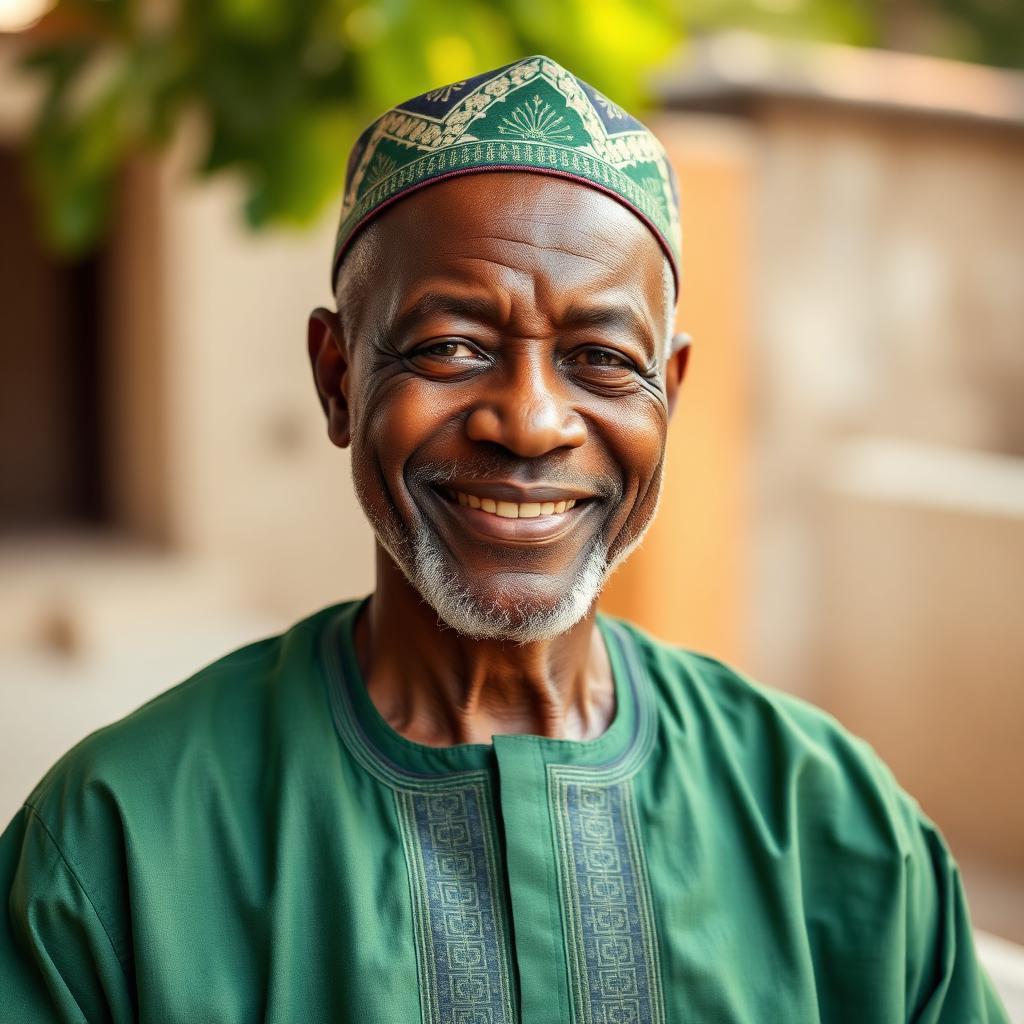
In October 2021, Baba Kolade, a 61-year-old retired secondary school principal from Akure, was rushed into the emergency ward of a private hospital along Ikorodu Road, Lagos. His fasting sugar was 418 mg/dL. His feet were swollen past his ankles, his vision was blurred to shapes, and his creatinine levels showed early-stage kidney failure. The consultant pulled his eldest daughter aside and told her, quietly, to "prepare the family."
For six years before that night, Baba had faithfully swallowed every drug he was given — metformin twice daily, then glimepiride added on, and finally insulin injections morning and evening. Every three months the dose went up. Nobody at the clinic ever asked why the medication wasn't fixing him — only how much more of it he could afford. By 2021 the family was spending over ₦180,000 a month on his diabetes care alone.
"They kept selling me more medicine, but nobody was healing me. That is when I understood — many of these big pharma are not interested in my recovery. A healthy patient buys nothing. A sick patient buys forever."
But his eldest daughter, Dr. Funmi Kolade-Adeyemi, refused to accept the consultant's verdict. Funmi is a UK-trained pharmacist (PharmD, University of Manchester, 2009) who has spent the last eight years running a licensed pharmaceutical import company between Lagos and Guangzhou. Her work takes her in and out of Chinese teaching hospitals four or five times a year, and she still had a colleague's personal WeChat on her phone.
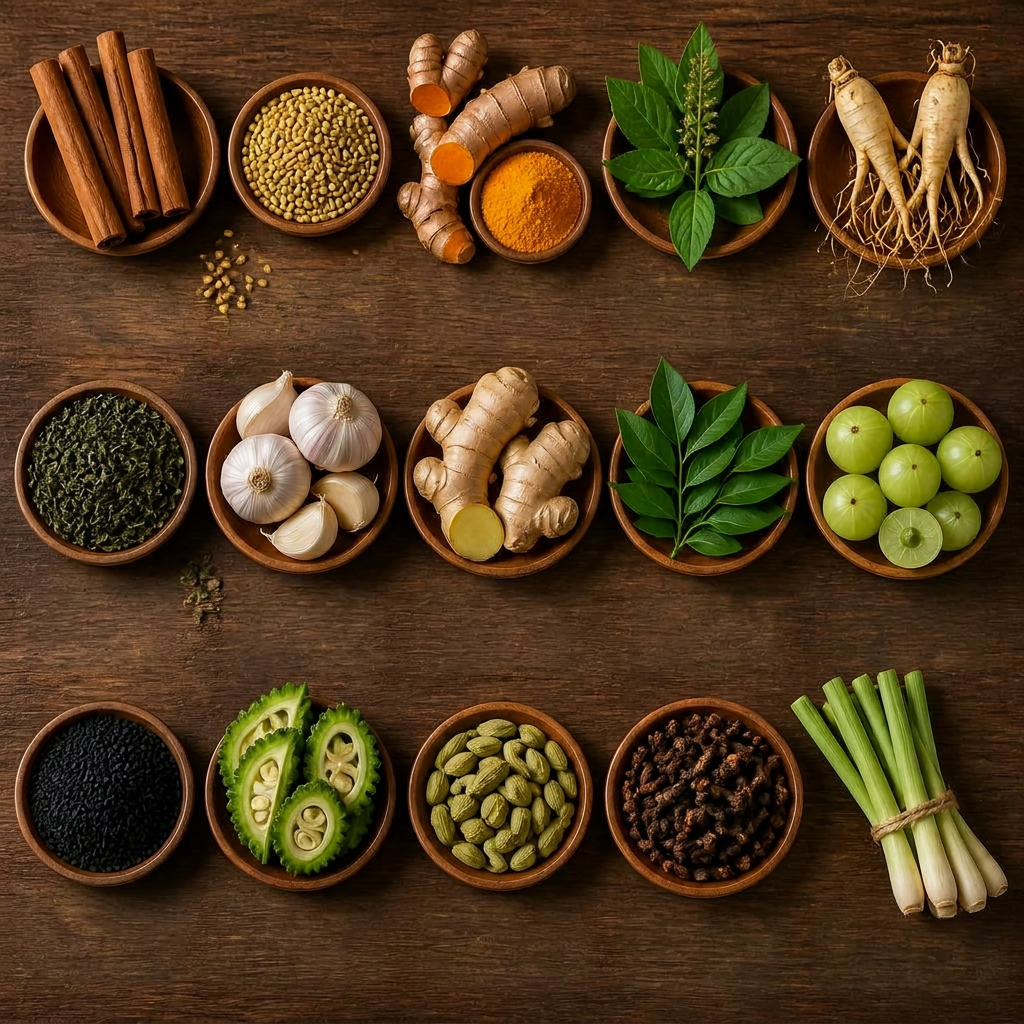
She stepped out of the ward at 2:14am Lagos time — which was already 9am in Guangzhou — and made the call. Within an hour, her contact had connected her to Prof. Dr. Li Wen Zhang, PhD, a senior researcher at the Guangzhou University of Chinese Medicine and a 32-year veteran of the university's Traditional Chinese Medicine Diabetes Research Program. Prof. Zhang's group had spent decades studying how a specific combination of 15 herbs — several of them documented in modern peer-reviewed papers including the Journal of Ethnopharmacology (2019) and Frontiers in Pharmacology (2021), and referenced in the WHO Global Report on Traditional and Complementary Medicine, 2019 — work together to help repair pancreatic beta-cells instead of only suppressing blood glucose the way conventional drugs do.
Prof. Zhang put a batch of his research blend on Funmi's next cargo shipment out of Baiyun airport. It cleared customs in Lagos 72 hours later. His instruction to the family was strict: "Give the body 90 full days. This is not a drug that hides numbers — it rebuilds the pancreas. Continue his current medication under his doctor, and let his doctor taper it as his readings fall."
Within 2 weeks, Baba's morning readings on his Accu-Chek glucometer had dropped from 418 to 197. By the end of week 6 he was averaging 124. On day 90, his consultant — the same consultant who had told the family to prepare — ran a full HbA1c and kidney panel, tapered him fully off insulin under supervision, and wrote a single line in his file: "Patient in remission. Continue 90-day herbal protocol."
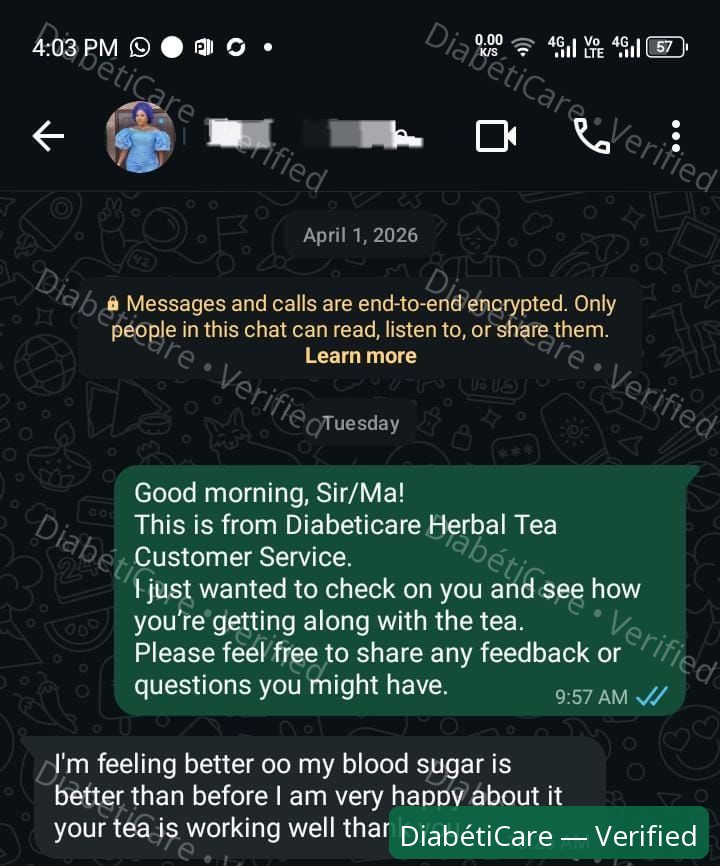
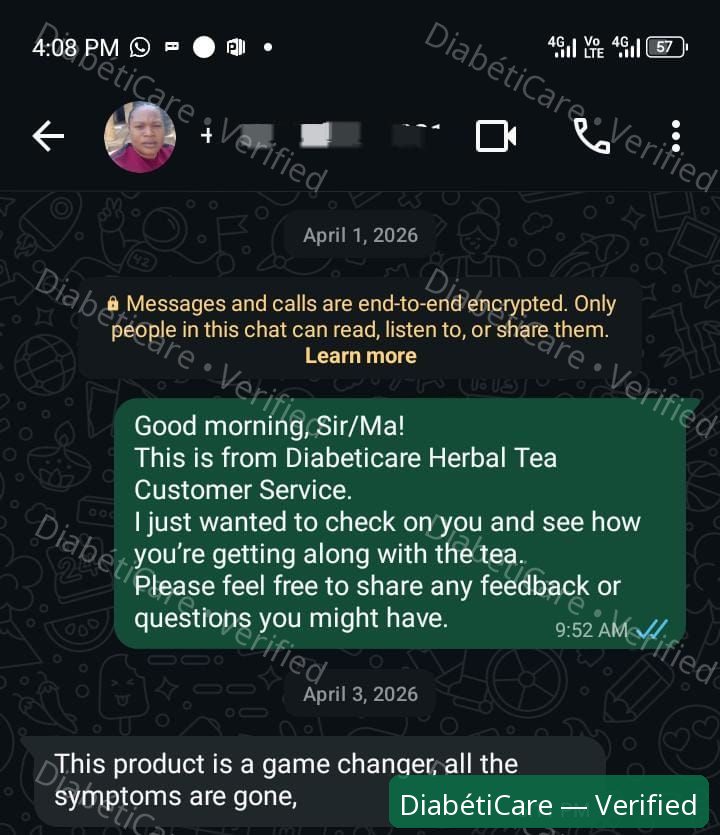
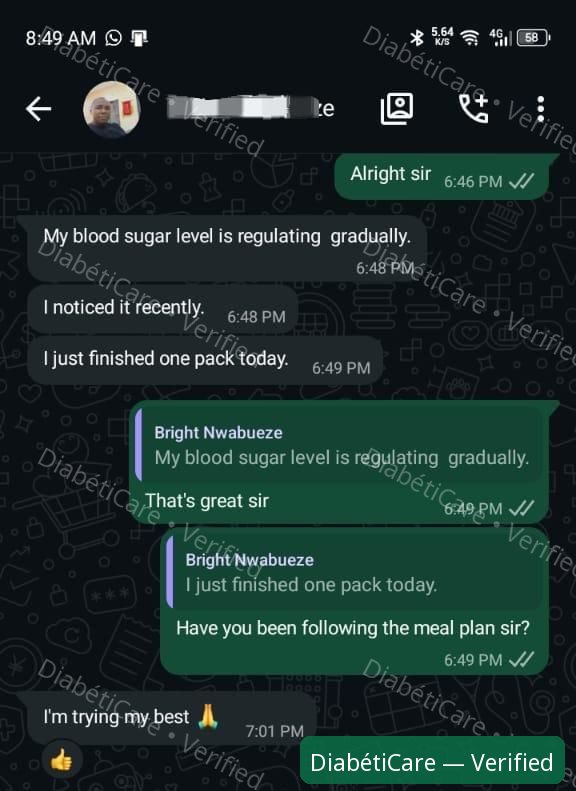
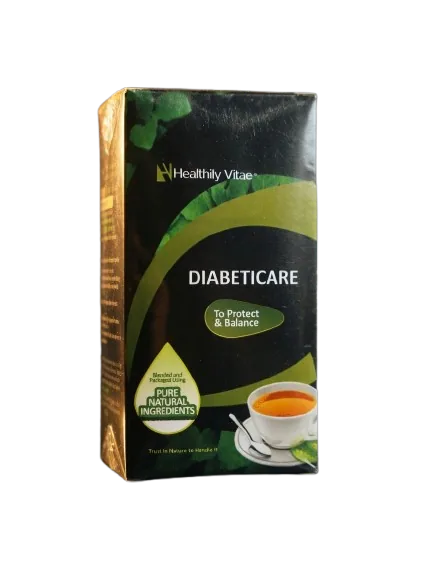
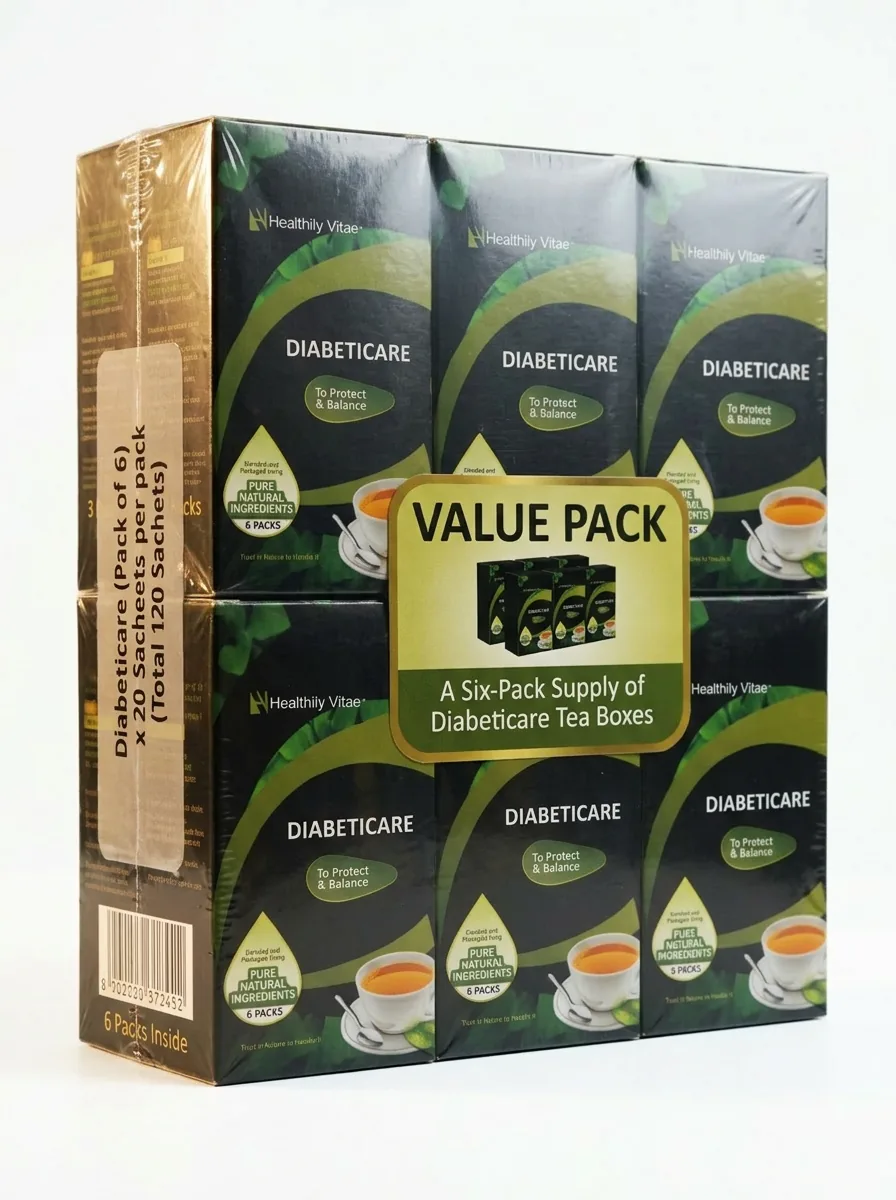
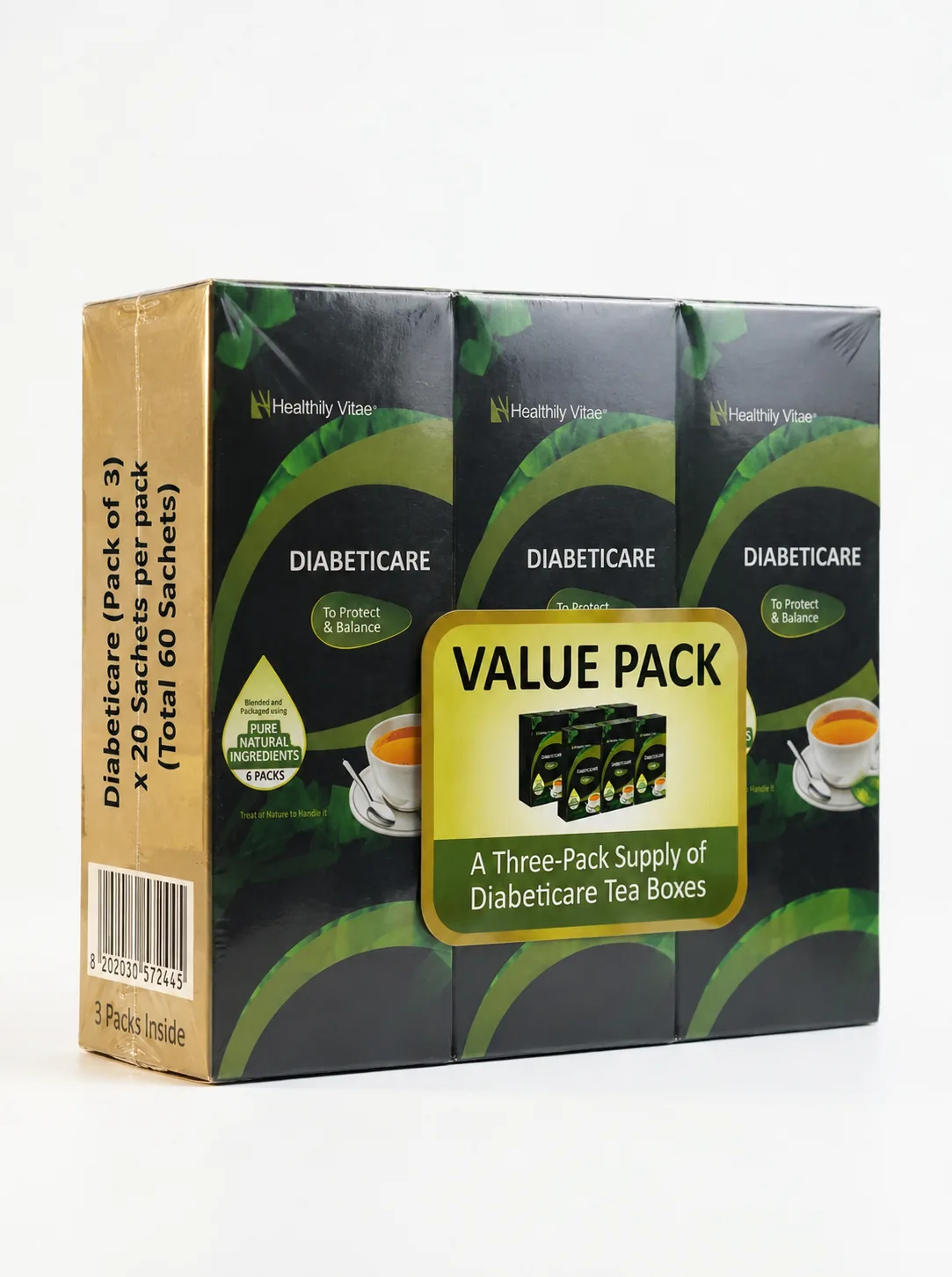
That original research blend is the exact formula behind Diabeticare today — now licensed, locally packaged, and upgraded with modern low-temperature extraction so every cup delivers a stronger, more consistent dose than the batch that first pulled Baba Kolade back from the edge four years ago.
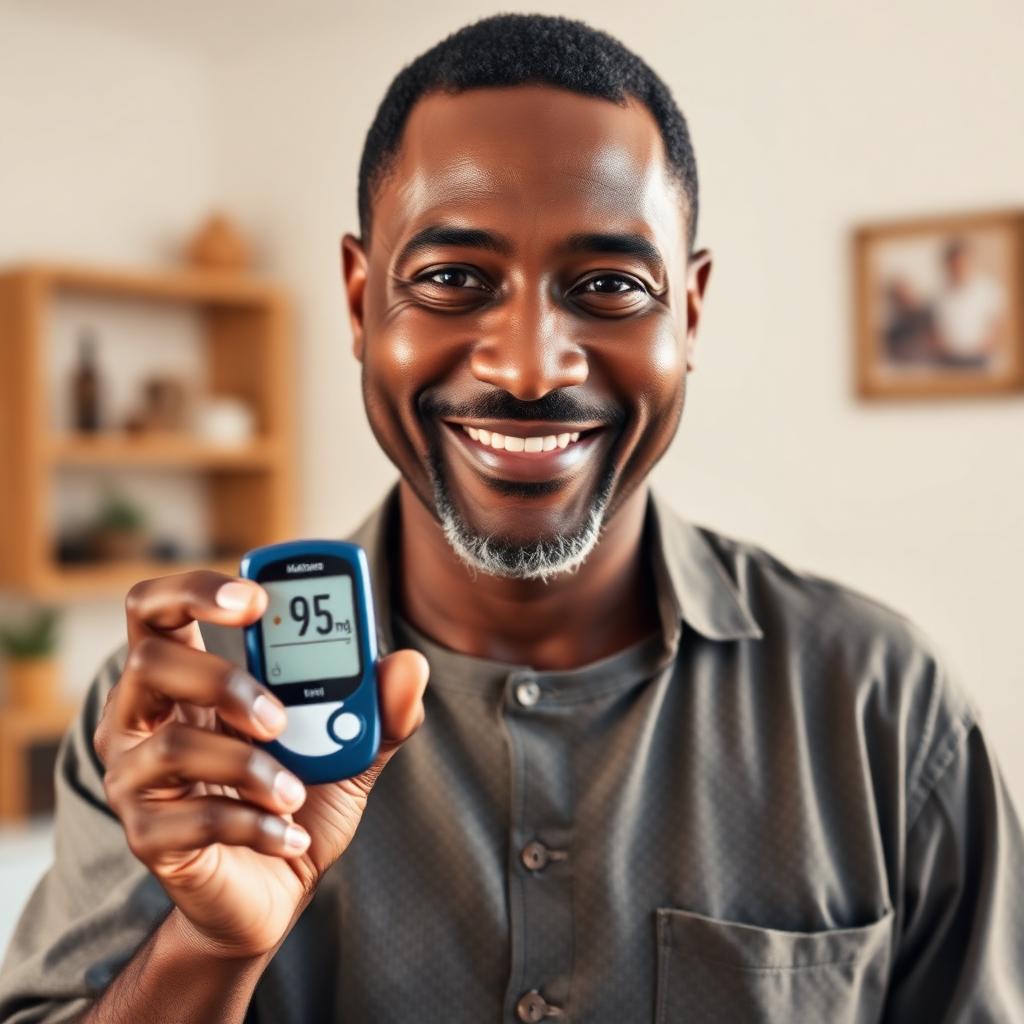
Today at 66, Baba walks four kilometres around his Akure compound every morning before breakfast. He reads his Bible without glasses. He plays draughts with his grandchildren. He has not injected insulin in over three years. Every month, he sends us the same voice note:
"Please, tell every Nigerian who is on those drugs — you don't have to die slowly to keep big pharma in business. Give your body 90 days. There is a natural way, and it works."
Pay only when the parcel is in your hand · 60-day money-back guarantee